
Identify Key Storage Needs for Custom Cabinets in Newburyport
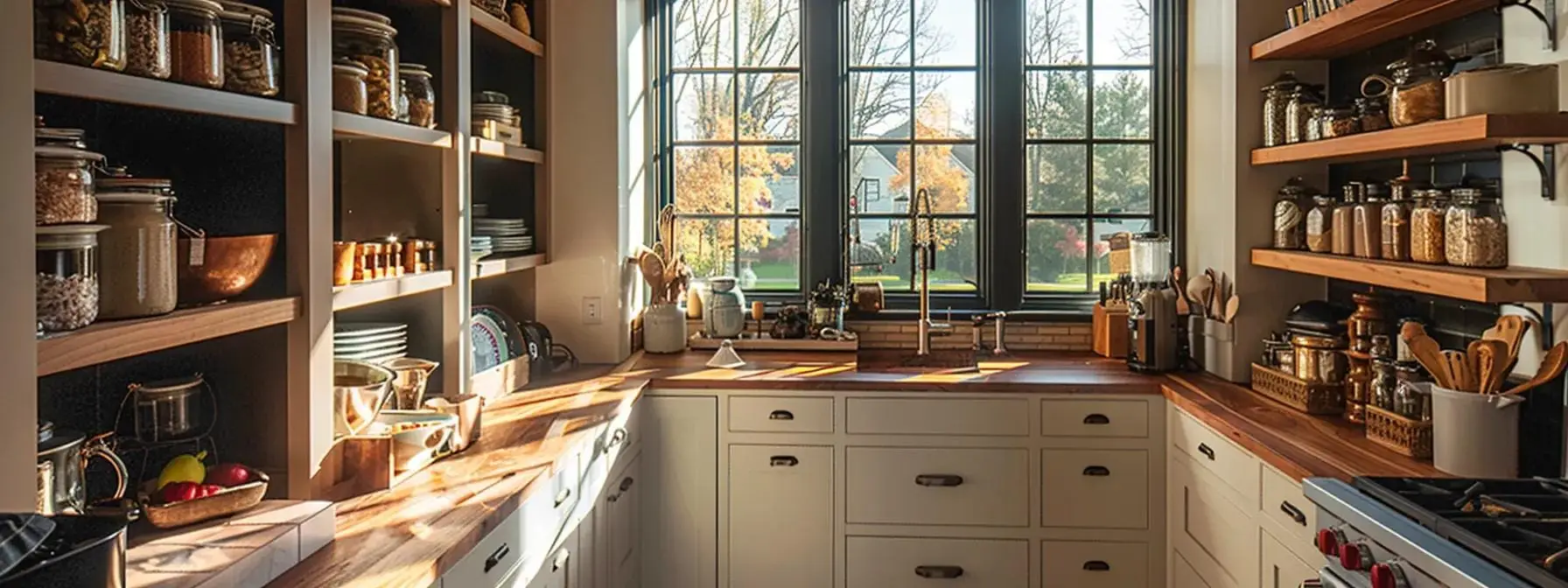
Assess the Size and Layout of Your Space for Cabinets
Determine the Types of Items to Store in the Cabinets
Consider Future Storage Needs That May Arise
- Assess potential family growth or lifestyle changes
- Plan for technological advancements in appliances
- Consider multi-functional storage solutions
- Incorporate adjustable shelving and modular components
- Allow for potential hobby or collection expansions
Evaluate the Accessibility of Frequently Used Items
Prioritize Essential Storage Features Like Drawers or Shelves
Are custom cabinets worth it?
Choose the Right Materials for Custom Cabinets
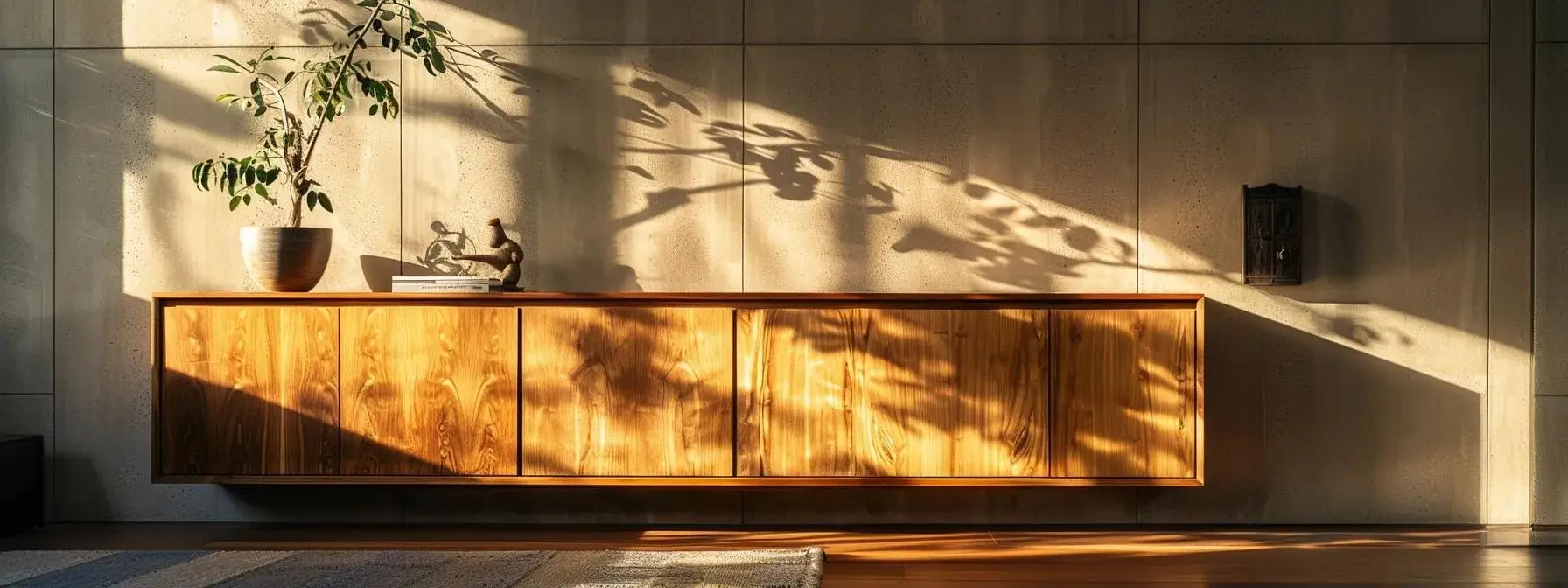
Explore Various Wood Options Suitable for Cabinetry
Compare Laminate Versus Solid Wood Finishes
| Feature | Laminate | Solid Wood |
|---|---|---|
| Cost | Lower | Higher |
| Durability | Moderate | High |
| Maintenance | Low | Moderate |
| Refinishing | Not possible | Possible |
| Aesthetic options | Wide range | Natural variations |
Analyze Durability and Maintenance of Different Materials
| Material | Durability | Maintenance |
|---|---|---|
| Solid Wood | High | Moderate |
| Laminate | Moderate | Low |
| Thermofoil | Moderate | Low |
| Stainless Steel | High | Low |
Review Sustainable Material Options for Eco-Conscious Choices
| Sustainable Material | Environmental Benefit | Durability |
|---|---|---|
| Bamboo | Rapidly renewable | High |
| Reclaimed Wood | Reduces waste | Moderate to High |
| FSC-Certified Wood | Supports responsible forestry | High |
| Recycled Metal | Reduces resource consumption | High |
Consider the Visual Appeal of Different Materials in Design
Understand Design Styles That Suit Newburyport Homes
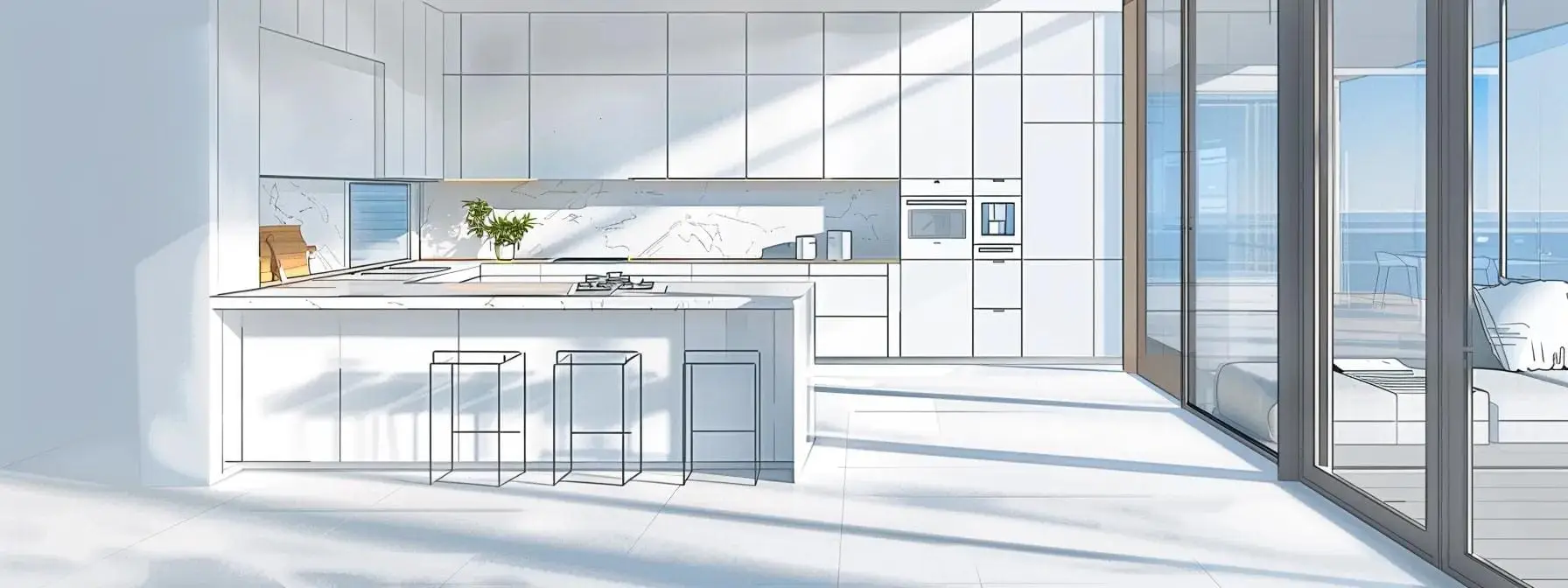
Investigate Coastal Influences on Cabinetry Design
Examine Modern Versus Traditional Cabinet Styling
Incorporate Functional Elements Into Aesthetic Choices
Mix and Match Styles for a Personalized Touch
Research Trending Cabinet Designs in Your Area
Plan the Layout for Optimal Functionality
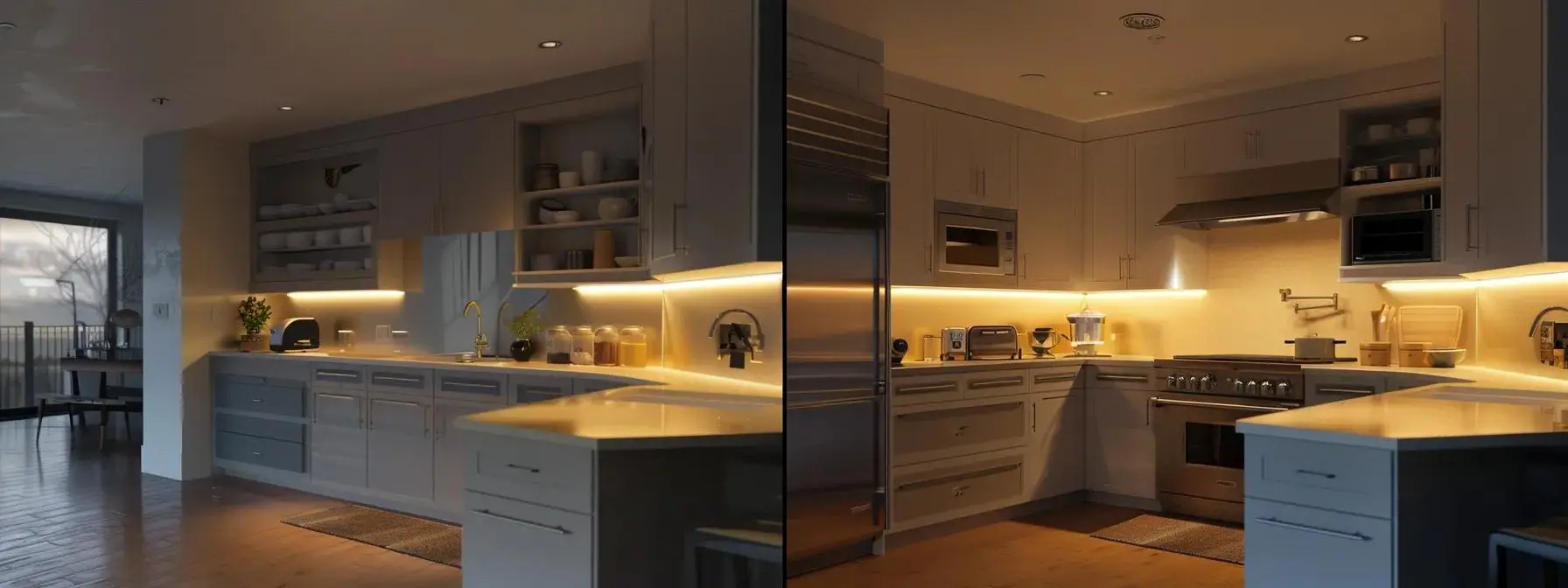
Map Out Traffic Flow and User Interaction With Cabinets
Strategize Cabinet Placement for Maximum Accessibility
| Cabinet Location | Accessibility Level | Recommended Items |
|---|---|---|
| Upper cabinets (eye-level) | High | Everyday dishes, glassware |
| Lower cabinets | Medium | Pots, pans, small appliances |
| Base cabinets with pull-outs | High | Utensils, spices, cleaning supplies |
| Corner cabinets with lazy Susans | Medium | Baking supplies, rarely used items |
Allocate Space for Electrical Outlets and Appliances
Consider Integration With Other Kitchen or Living Areas
| Area | Integration Strategy | Benefits |
|---|---|---|
| Kitchen to Dining Room | Extended cabinetry for dish storage | Improved functionality, cohesive design |
| Kitchen to Living Room | Matching built-in entertainment center | Visual continuity, increased storage |
| Kitchen to Home Office | Coordinated desk and storage solutions | Unified aesthetic, optimized workspace |
| Kitchen to Mudroom | Consistent cabinetry style and hardware | Seamless transition, organized entryway |
Factor in Height Variations for Different User Needs
Budgeting for Custom Cabinets in Your Project

Break Down the Costs of Materials Versus Labor
Identify Areas to Save Without Compromising Quality
Evaluate Financing Options for Cabinetry Work
Plan for Unexpected Expenses During Installation
Compare Pricing From Multiple Cabinet Makers
- Request detailed quotes from at least three reputable cabinet makers
- Compare material quality, craftsmanship, and customization options
- Evaluate warranty coverage and after-sale support
- Consider the company's reputation and customer reviews
- Assess the overall value proposition, not just the lowest price
Collaborate With Professionals in Cabinet Design