How to Design Custom Kitchen Cabinets for Older Newburyport Homes with Confidence

by Frank LeBlanc | Sep 15, 2026 | 40

How to Design Custom Kitchen Cabinets for Older Newburyport Homes with Confidence
By Frank LeBlanc, Seacoast Cabinet

Designing custom kitchen cabinets for older homes in Newburyport is an art that balances style, functionality, and historical integrity. Many homeowners in this region appreciate the unique character of their vintage properties and seek to enhance that charm through thoughtful renovations. If you are beginning your project, it is helpful to manage a renovation budget while ensuring historical preservation. With the right approach, you can create a kitchen that meets modern needs without sacrificing the character that makes these homes unique.

In this guide, we will cover key topics including the styles and materials that work best in older homes, the importance of functionality in kitchen design, and tips for collaborating with professionals to attain your vision. Additionally, we will explore cabinet finishes that match Newburyport’s aesthetic and provide insight into managing a renovation budget while ensuring historical preservation. Whether you are just beginning your design process or looking for fresh ideas to refine existing plans, this article will provide valuable insights.

Style

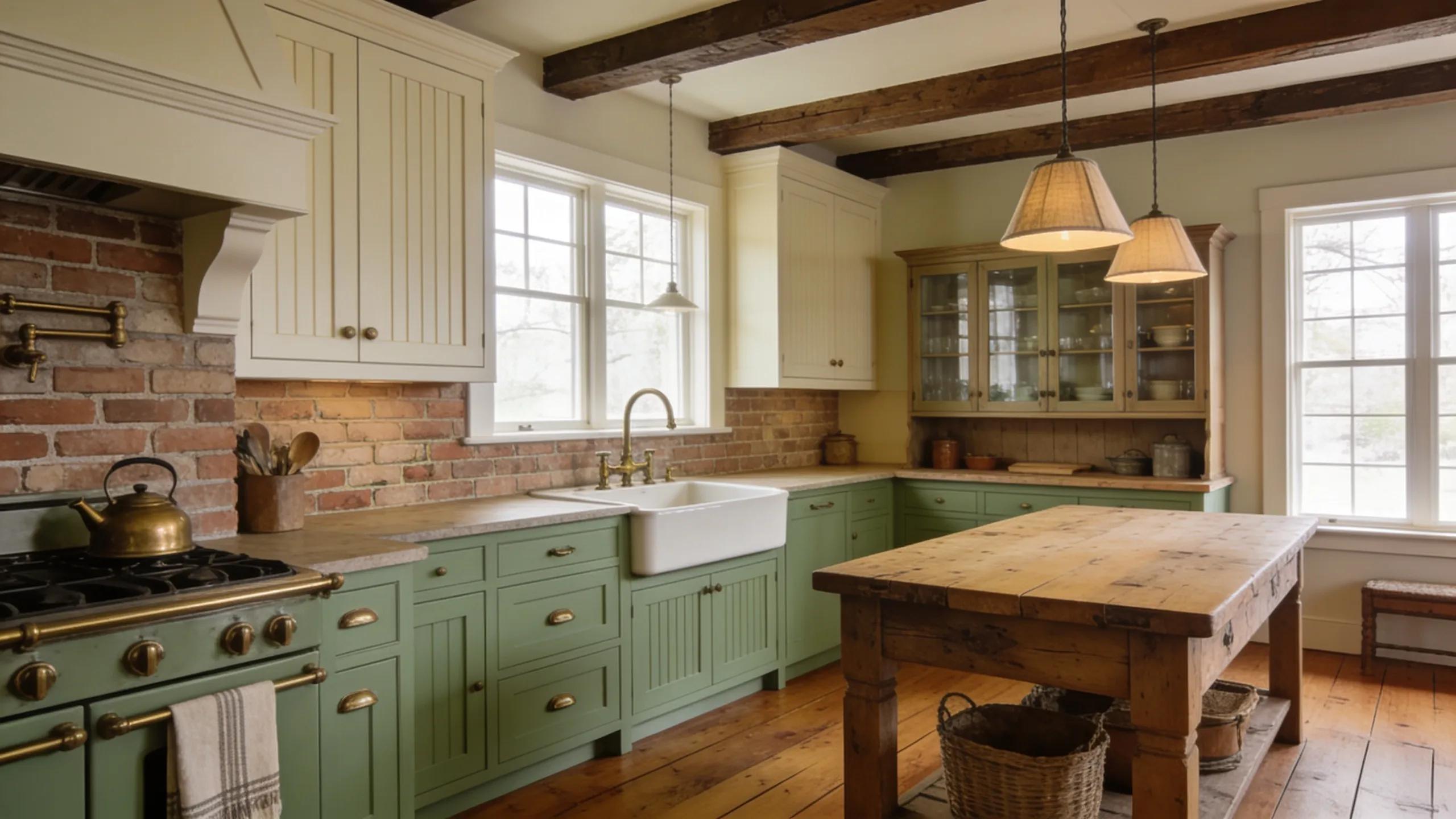
When designing kitchen cabinets for older Newburyport homes, the choice of style is crucial in maintaining the property's character. Traditional and timeless designs such as Classic Shaker cabinets and Rustic farmhouse cabinets are often preferred for their simplicity and elegance. These styles incorporate materials and details that resonate with the architectural features of historic homes, ensuring a cohesive look.

The style you choose for your cabinets can significantly impact the overall functionality of your kitchen. For instance, a Coastal-inspired design may work well in homes near the waterfront, offering light colors and an airy feel. By selecting cabinet styles that align with the historical context and aesthetic of your home, you not only enhance its beauty but also ensure that the kitchen complements other areas of the house.

Materials

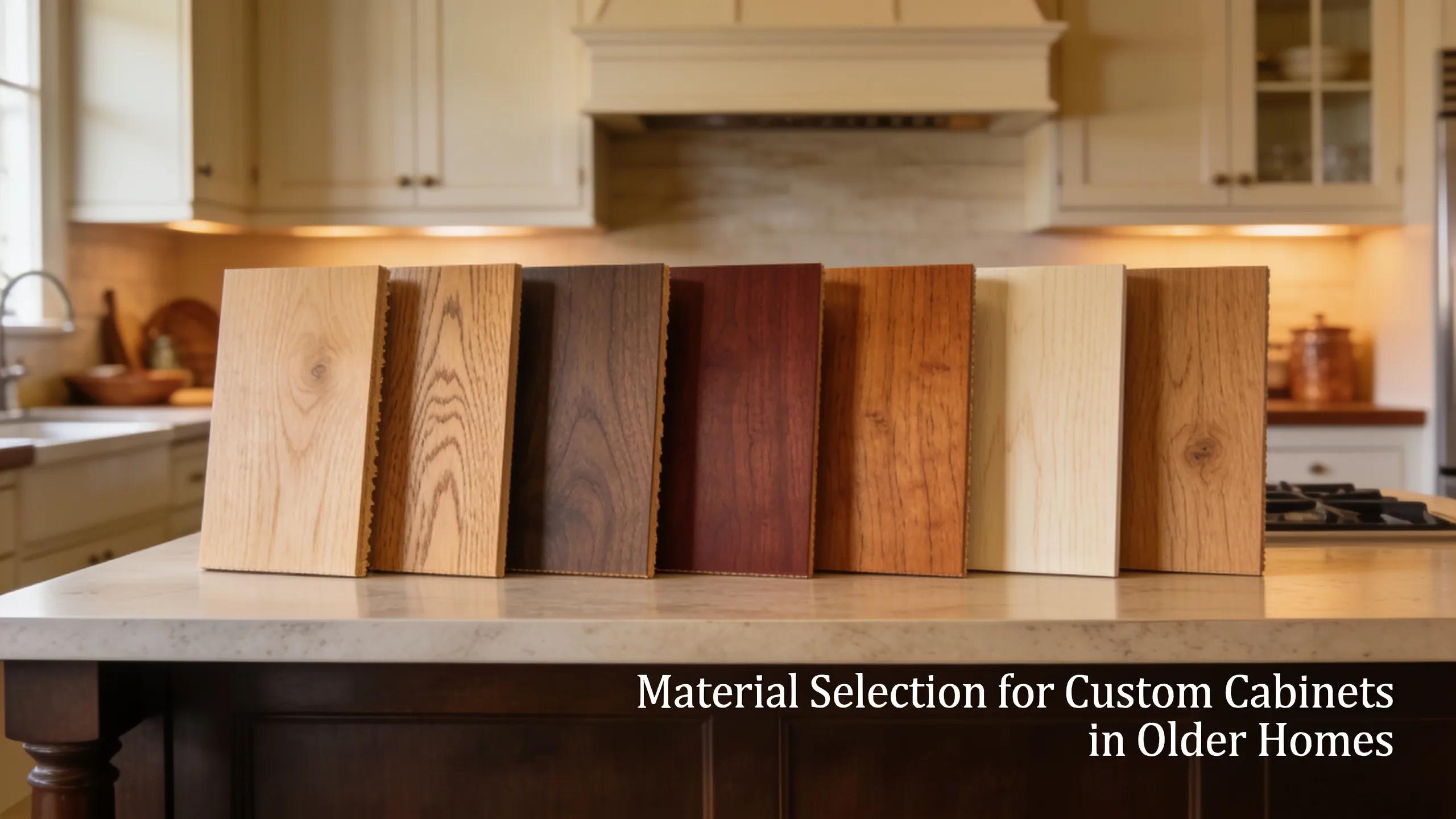
Choosing the right materials is essential for kitchen cabinets in older homes. Durability and moisture resistance should be at the forefront of your material selection process. Hardwood options such as oak, cherry, and maple are popular choices due to their strength and classic appeal; they age beautifully and can withstand daily wear.

Sustainable options are also available, with suppliers increasingly offering eco-friendly materials that align with modern environmental standards. Finishing options such as natural stains can highlight the wood grain while preserving the organic feel that older homes require. By prioritizing quality materials, you not only ensure longevity but also maintain the historical integrity of your kitchen design.

Functionality

In older kitchens, maximizing storage space and functionality is paramount. Custom cabinets can be designed with creative storage solutions tailored to the specific needs of your home. Consider incorporating features like pull-out shelves and lazy Susans that improve accessibility and organization.

Another aspect to consider is the integration of modern appliances within classic cabinet designs. Balancing contemporary functionality with the historic aesthetic can be achieved through thoughtful planning, ensuring that every component feels connected to the home’s character while providing the efficiency needed in a modern kitchen. These practical solutions will enhance your cooking space without compromising the design's historical significance.

Historical Preservation

Maintaining the historical integrity of your cabinets is fundamental when renovating older homes. Working with designers who understand the importance of historical elements will help guide your project. They can assist in selecting custom sizes and profiles that respect existing architecture while providing the functionality you need.

It’s essential to understand that the materials and finishes you choose should also reflect the period of the home. Engaging in discussions about historical features with your designer will ensure that your renovations honor the original craftsmanship, thus preserving the essence of your Newburyport home.

Consultation and Collaboration

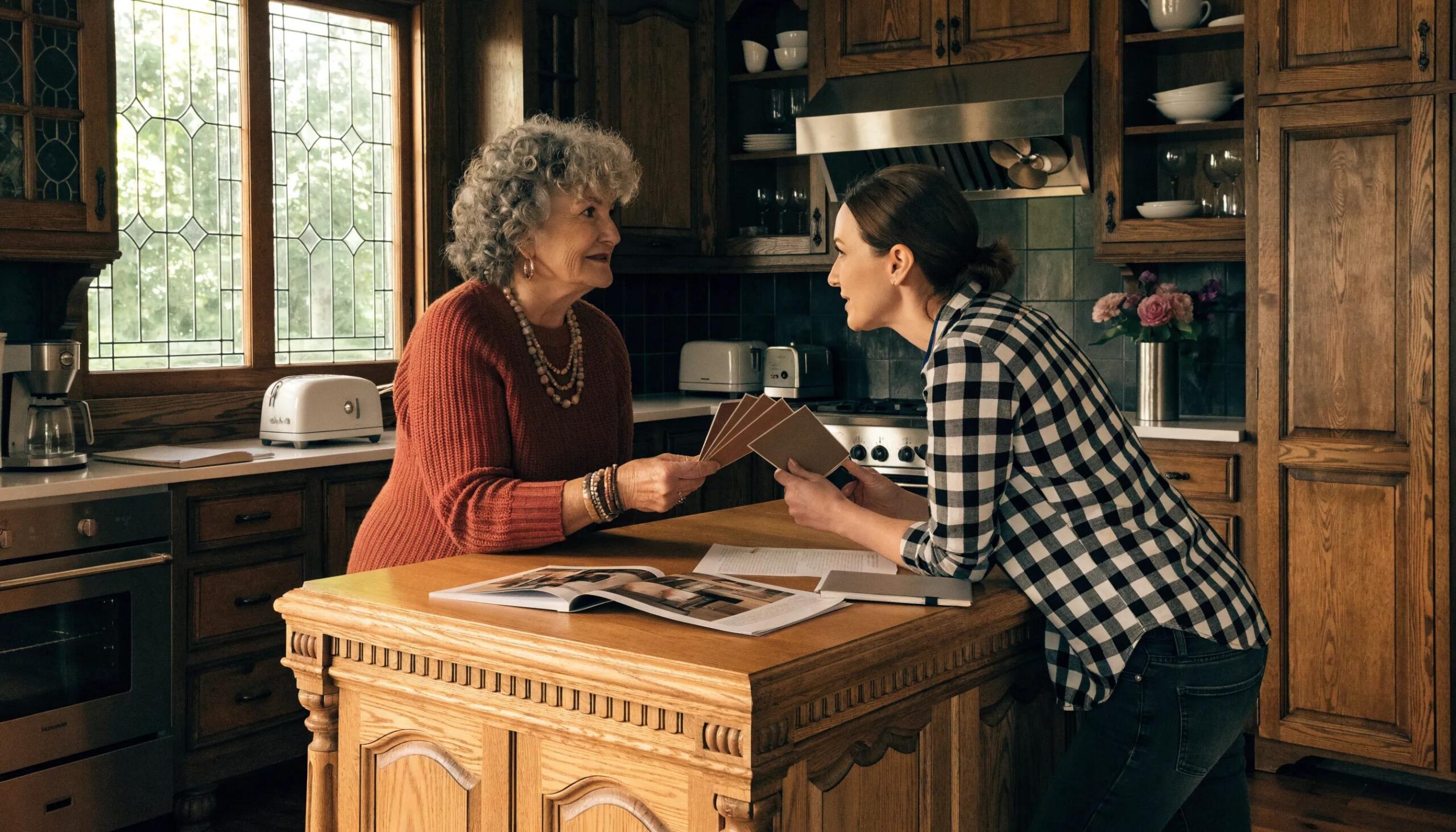
Engaging with professionals during the cabinet design process can add significant value to your project. Benefits of professional guidance include access to individuals who understand the unique challenges of renovating older homes. Starting with a free consultation can help clarify your vision and set realistic expectations regarding timelines and budgets.

Collaboration allows you to explore innovative ideas while ensuring that the design remains true to your home's character. It also creates a sense of partnership, where your input is valued and integrated into the final design. By utilizing professional insights, you can create a kitchen space that meets your aesthetic and functional needs.

What Are the Best Cabinet Styles for Historic and Older Homes in Newburyport?

Some of the best cabinet styles for historic and older homes in Newburyport include:

  1. Classic Shaker Cabinets: Known for their simple elegance, these cabinets feature clean lines and subtle details, making them a timeless choice.

  2. Rustic Farmhouse Cabinets: Emphasizing warmth and character, these cabinets often use reclaimed wood and are designed to create a cozy atmosphere.

  3. Coastal-Inspired Designs: Ideal for homes near the water, these cabinets typically feature light colors and airy designs, reflecting the surrounding environment.

These styles enhance the aesthetic of older homes while providing modern functionality.

Which Cabinet Finishes Match Newburyport’s Older Home Aesthetic?

Choosing the right finish is vital for achieving a harmonious appearance in older homes. Key finishes that match the aesthetic include:

  • Natural Wood Finishes: Highlight the grain and texture of the wood, providing a warm, inviting look.

  • Satin Finishes: Offer a soft sheen that complements traditional styles while being easy to maintain.

  • Distressed Finishes: Add a touch of age and character, ideal for achieving a vintage look that fits historic homes.

By selecting finishes that resonate with your home's unique characteristics, you will enhance its overall appeal and maintain the desired ambiance.

How to Choose Cabinet Materials Suitable for Historic Kitchen Renovations?

Selecting materials for historic kitchen renovations should involve careful consideration of both aesthetics and practicality. Opt for:

  • Hardwood Alternatives: Dense hardwoods such as oak and cherry provide durability and a classic appearance.

  • Environmentally Friendly Options: Sustainable materials that meet modern eco-standards can be sourced from responsible suppliers.

  • Custom Fabrication Choices: Custom sizing can ensure that cabinet dimensions fit seamlessly within the home’s existing architecture.

By prioritizing materials that respect both historical integrity and contemporary standards, you can create a functional yet timeless kitchen environment.

How Do American Made Cabinet Tiers Affect Your Kitchen Renovation Choices?

The quality of American-made cabinets can greatly influence your renovation choices. High-quality American-made cabinets often come with better craftsmanship and attention to detail, reflecting the specifics of American design trends. When considering the benefits of investing in American-made cabinetry, keep these points in mind:

  • Quality Assurance: Generally, American-made cabinets boast superior quality control and materials.

  • Customization: Many local manufacturers offer customization options tailored to meet your unique design needs.

  • Pricing Considerations: Although these cabinets may carry a higher price tag, the investment in quality can yield long-term benefits in durability and aesthetics.

Understanding these aspects will help you make informed decisions during your renovation planning.

What Are the Differences Between American-Made Cabinet Lines and Their Lead Times?

When assessing American-made cabinet lines, it's essential to consider variations in lead times for different brands. Factors that can influence lead times include:

  1. Production Capacity: Larger manufacturers may have standard lead times of 4-6 weeks, while boutique brands could range from 8-12 weeks.

  2. Customization Requests: Customized projects typically extend lead times due to additional processing.

  3. Design Complexity: Complex designs may require more intricate production processes, affecting overall timelines.

Evaluating these parameters will enable you to plan your renovation schedule more effectively.

How to Compare Price Ranges and Quality Across Cabinet Tiers?

Understanding price ranges and quality indicators for various cabinet tiers is crucial for budget management. Here are some essential comparisons:

  1. Entry-Level Cabinets: Often manufactured using lower-cost materials, these cabinets may lack durability but can be suitable for low-budget renovations.

  2. Mid-Range Cabinets: Offer a balance of quality and affordability, typically using better materials and finishes.

  3. Premium Cabinets: High-quality options that feature superior craftsmanship and customization, usually reflecting a higher price point.

By thoroughly understanding these price tiers, you can better align your budget with design expectations.

What Should You Expect During a Kitchen Renovation Consultation in North Shore?

During a consultation for kitchen renovations, you can expect several key components:

  • Initial Meeting Details: Discuss your ideas, preferences, and budget with the designer to align on expectations.

  • Assessment and Design Planning: A thorough evaluation of your space will inform design decisions tailored to your needs.

  • 3D Renderings and Installation Discussion: Advanced visualization tools may be used to provide insight into how your designs will look once implemented.

Emphasizing these aspects during the consultation can help enhance communication and streamline the renovation process.

How Does a Free Showroom Visit Help Ease Renovation Anxiety?

Visiting a showroom offers several advantages that can alleviate renovation anxiety:

  • Hands-On Experience with Materials: Engaging with various finishes and textures helps in making confident decisions regarding your choice.

  • Guidance from Showroom Staff: Knowledgeable staff can provide valuable insights about design options and trends.

  • Clarity on Design Options: Experiencing different styles firsthand helps to refine your ideas, ensuring that your selections align with your vision.

Ultimately, free showroom visits play a crucial role in smoothing the decision-making process.

What Is the Step-by-Step Custom Cabinet Design Process?

Understanding the cabinet design process can enhance your renovation experience. The typical steps involved are:

  1. Free Design Consultation: An introductory meeting to discuss your vision and goals for the space.

  2. Space Planning and Cabinet Selection: Collaborating to create layouts that maximize functionality and aesthetic appeal.

  3. Installation and Adjustments: Following design finalization, professional installation will ensure everything is functional and fits perfectly.

This structured approach allows for a smooth transition from concept to reality, leading to a satisfying kitchen transformation.

How Are Cabinet Lead Times Managed for Custom Kitchen Projects in Newburyport?

Managing cabinet lead times is crucial for any renovation project. Key management strategies include:

  • Clear Communication with Suppliers: Regular updates from the cabinet manufacturer can help adjust plans as necessary.

  • Understanding Average Remodeling Timelines: Familiarizing yourself with typical lead times can aid in creating realistic schedules.

  • Anticipating Design Complexity: Knowing how design choices affect production times will allow for better planning of the renovation timeline.

By implementing these strategies, you can more effectively manage your renovation expectations and timelines.

What Are Typical Lead Times for Different Cabinet Lines?

Lead times for various cabinet lines can vary widely based on several factors:

  • Standard Lines: Often available for quick shipping within 4-6 weeks, depending on the manufacturer.

  • Custom Solutions: Generally require 8-12 weeks due to the bespoke nature of the work involved.

  • Specialty Cabinets: Unique designs may extend lead times significantly, requiring careful planning.

Being aware of these lead times will assist in crafting a schedule that accommodates your renovation's needs.

How to Plan Your Renovation Schedule Around Cabinet Delivery?

Planning your renovation schedule involves several crucial steps to align with cabinet delivery:

  1. Develop a Timeline: Outline significant milestones based on expected lead times for your chosen cabinet line.

  2. Preparation for Installation: Ensure that all preparations are completed before delivery, including necessary modifications in your kitchen space.

  3. Manage Project Timelines: Stay flexible by adjusting based on delivery dates to avoid unforeseen delays.

By thinking ahead and organizing your project around these factors, you can maintain a smoother renovation process.

How Can You Manage Budget and Expectations When Designing Kitchen Cabinets for Older Homes?

Budget management during a kitchen renovation can be challenging, but implementing strategic practices can help:

  • Setting a Clear Budget: Establish a realistic budget from the start to inform your design decisions.

  • Cost Breakdown for Cabinetry: Understand how different materials and styles affect your overall budget.

  • Managing Expectations and Communication: Regular discussions with your designer will help clarify any changes and adjust as needed.

Effectively balancing your budget while ensuring quality can lead to a successful renovation that meets your expectations without surprises.

What Are the Typical Costs for Custom Cabinet Tiers in Massachusetts?

Understanding the costs associated with custom cabinets is critical for planning. Pricing typically ranges as follows:

  1. Entry-Level Cabinets: Approximately $100-$200 per linear foot for standard materials and finishes.

  2. Mid-Range Cabinets: Generally priced around $200-$400 per linear foot, offering better quality construction and finishes.

  3. Premium Cabinets: Can exceed $400 per linear foot, reflecting bespoke craftsmanship and high-quality materials.

These estimates provide a baseline to help you plan your kitchen renovation project in Massachusetts more effectively.

How to Balance Style, Quality, and Budget Effectively?

Achieving a balance between style, quality, and budget requires thoughtful planning and prioritization. Here are some strategies to consider:

  • Identifying Style Needs: Determine which styles are non-negotiable in your design to streamline choices.

  • Understanding Budget Constraints: A clear budget will help direct focus to essential elements first.

  • The Role of Quality Materials: Investing in certain areas, such as cabinetry, will pay dividends in longevity, while opting for cost-effective solutions in other areas can balance the overall budget.

By approaching your design process with these strategies, you can create a beautiful and functional kitchen that respects both the historical significance of your home and your personal style. For a better understanding of how we build, check out our process for delivering bespoke cabinetry solutions.