
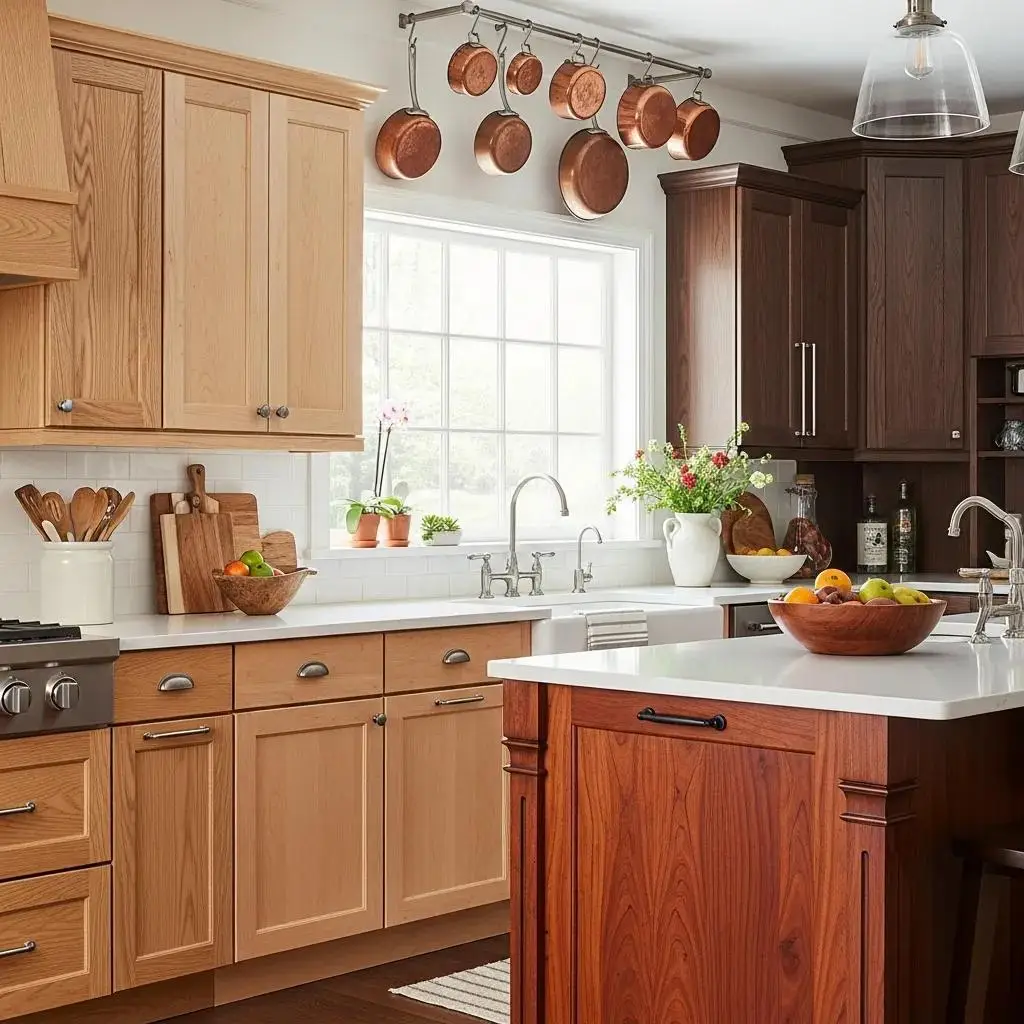
Kitchen Cabinet Materials Explained: Expert Guide to Wood Species, Finishes & Construction Quality for Informed Choices
Choosing the right materials for kitchen cabinets is crucial for both aesthetics and functionality. This comprehensive guide, developed with insights from industry experts and backed by extensive research, delves into the various wood species, finishes, and construction quality that influence the durability and style of kitchen cabinetry. Understanding these elements can help homeowners make informed decisions that align with their design preferences and practical needs. Many individuals face challenges in selecting materials that not only look good but also stand the test of time. This article aims to clarify these choices by exploring the best wood species, comparing finishes, and discussing construction quality. Key sections include an overview of wood types, a comparison of finishes, and guidance on selecting the right materials for your kitchen project, supported by expert recommendations and industry standards.
What Are the Best Wood Species for Kitchen Cabinets?
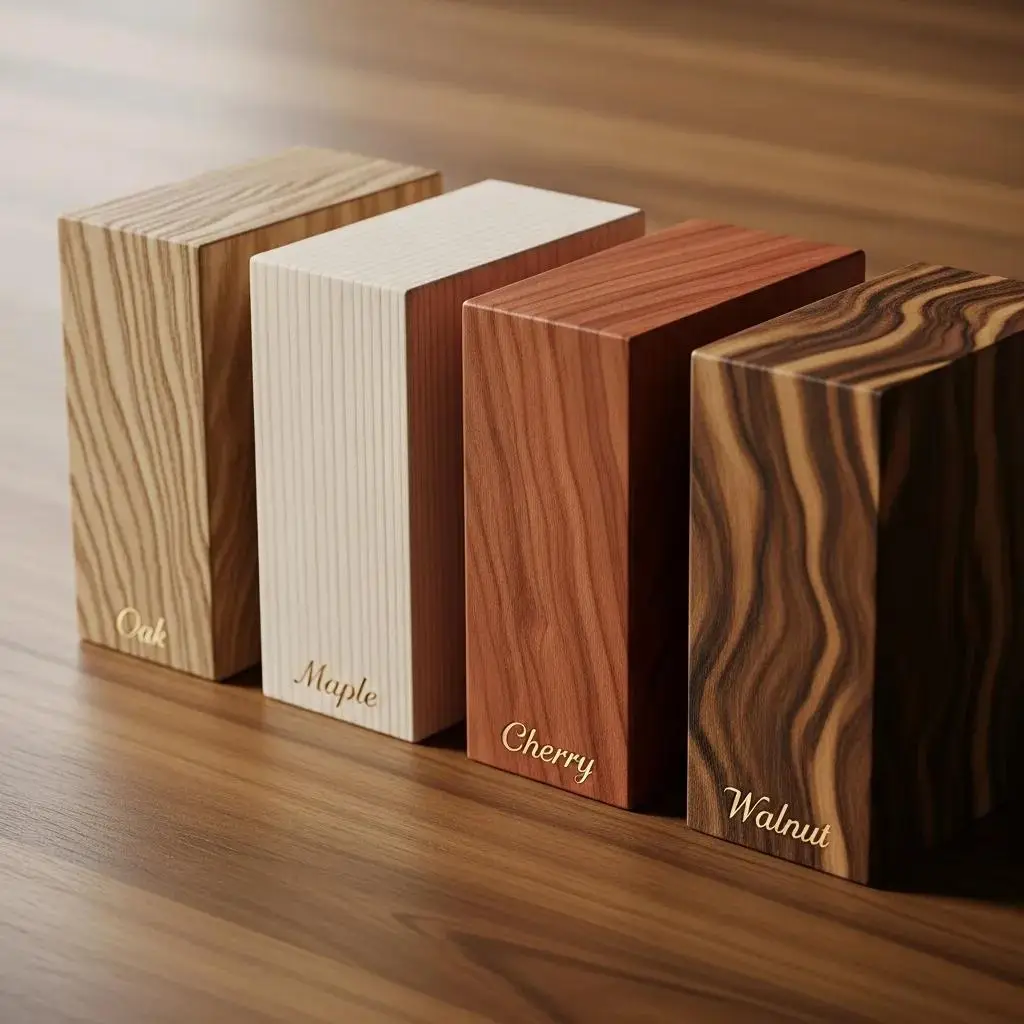
When it comes to kitchen cabinets, the choice of wood species significantly impacts both appearance and durability. Popular options include oak, maple, cherry, and walnut, each offering unique characteristics validated by decades of use in cabinetry and furniture making. Oak is known for its strength and prominent grain, making it a favorite for traditional designs. Maple, with its fine, consistent grain, provides a modern look and is highly durable. Cherry wood, prized for its rich color and smooth texture, darkens beautifully over time, adding warmth to any kitchen. Walnut, on the other hand, is celebrated for its luxurious appearance and rich tones, making it ideal for high-end cabinetry. These species are frequently recommended by professional cabinetmakers and designers for their proven performance and aesthetic qualities.
Characteristics of Oak, Maple, Cherry, and Walnut
- Oak: Strong and durable, oak features a prominent grain that adds character to cabinets. It is resistant to wear and tear, making it suitable for busy kitchens. Its widespread use in historic and contemporary cabinetry underscores its reliability.
- Maple: Known for its fine grain and light color, maple is versatile and can be stained to achieve various looks. It is also highly resistant to scratches and dents, a fact supported by hardness tests such as the Janka scale.
- Cherry: This wood starts as a light pinkish hue and deepens to a rich reddish-brown over time. Its smooth texture and natural luster make it a popular choice for elegant designs, often favored in upscale kitchen projects.
- Walnut: With its dark, rich color and intricate grain patterns, walnut is often used in luxury cabinetry. It is durable and ages beautifully, making it a long-lasting option that adds significant value to kitchen interiors.
How Do Maple, Cherry, and Oak Compare in Durability and Appearance?
When comparing maple, cherry, and oak, each wood species has distinct advantages in terms of durability and appearance, as confirmed by industry durability ratings and user experiences. Maple is the hardest of the three, making it highly resistant to dents and scratches. Oak, while slightly softer, offers excellent durability and a classic look that fits various styles. Cherry, although softer than both maple and oak, provides a unique aesthetic appeal with its warm tones and smooth finish, often chosen for its timeless elegance.
Durability Ratings of Each Wood Type
- Maple: High durability, excellent for high-traffic areas, supported by a Janka hardness rating of approximately 1450.
- Oak: Very durable, resistant to wear and tear, with a Janka hardness rating around 1290 for red oak and 1360 for white oak.
- Cherry: Moderate durability, best for less demanding environments, with a Janka hardness rating near 950.
Visual Characteristics and How They Fit Different Styles
- Maple: Ideal for modern and contemporary designs due to its clean lines and light color, often used in minimalist kitchens.
- Oak: Suits traditional and rustic styles, adding warmth and character, frequently seen in farmhouse and classic kitchens.
- Cherry: Perfect for classic and elegant kitchens, enhancing the overall aesthetic with its rich tones, commonly used in formal kitchen settings.
What Are the Pros and Cons of Solid Wood vs. Engineered Wood?
Choosing between solid wood and engineered wood for kitchen cabinets involves weighing the benefits and drawbacks of each, as documented in cabinetry manufacturing standards and consumer reports. Solid wood is known for its natural beauty and durability, but it can be more expensive and susceptible to warping in humid conditions. Engineered wood, such as plywood or MDF, offers cost-effectiveness and stability, making it a popular choice for budget-conscious homeowners and professional installations alike.
Durability and Maintenance of Solid Wood
Solid wood cabinets are durable and can last for decades with proper care. However, they require regular maintenance, including polishing and refinishing, to maintain their appearance. This maintenance is supported by guidelines from woodworking associations and cabinetry experts.
Cost-Effectiveness of Engineered Wood
Engineered wood is generally more affordable than solid wood, making it accessible for a wider range of budgets. It is also less prone to warping and can be produced in various finishes, as confirmed by industry manufacturing practices.
Environmental Considerations
Solid wood is a renewable resource, but its harvesting can impact forests. Engineered wood often uses less wood and can be made from recycled materials, making it a more sustainable option. This aligns with environmental certifications such as FSC and LEED standards.
Which Kitchen Cabinet Finishes Offer Durability and Style?
The finish applied to kitchen cabinets plays a crucial role in their durability and overall aesthetic. Common finishes include paint, stain, and glaze, each offering different levels of protection and style, as supported by finish manufacturers and professional finishers.
Types of Finishes and Their Durability
- Paint: Provides a smooth, uniform look and is available in various colors. However, it may chip or scratch more easily than other finishes, according to finish durability tests.
- Stain: Enhances the natural beauty of the wood while providing a protective layer. Stains can vary in opacity, allowing for different levels of wood grain visibility, as demonstrated in professional cabinetry projects.
- Glaze: Often used over stains, glazes add depth and richness to the finish. They can also help hide imperfections in the wood, a technique widely used in traditional cabinetry.
Aesthetic Appeal of Different Finishes
- Paint: Offers a modern, clean look that can brighten up a space, favored in contemporary kitchen designs.
- Stain: Highlights the wood's natural grain, adding warmth and character, popular in both rustic and transitional kitchens.
- Glaze: Provides a vintage or antique look, perfect for traditional designs, often used in heritage-style kitchens.
How Do Painted, Stained, and Glazed Finishes Differ in Maintenance?
Maintaining the finish of kitchen cabinets is essential for their longevity. Each type of finish has unique maintenance requirements that homeowners should consider, as outlined by finish manufacturers and cabinetry care experts. custom cabinets in massachusetts.
Maintenance Needs for Each Finish Type
- Paint: Requires touch-ups for chips and scratches; regular cleaning with mild soap is recommended, consistent with manufacturer guidelines.
- Stain: Needs periodic reapplication to maintain its protective qualities; cleaning with a damp cloth is usually sufficient, as advised by professional finishers.
- Glaze: Similar to stain, it may require reapplication over time, especially in high-use areas, according to industry best practices.
Durability and Wear Over Time
- Paint: Can wear off in high-traffic areas, necessitating more frequent maintenance, as reported in consumer durability studies.
- Stain: Generally holds up well but may fade in direct sunlight, a factor to consider in kitchen design.
- Glaze: Offers good durability but can show wear if not properly maintained, highlighting the importance of regular care.
What Are the Benefits of Low-Maintenance and Eco-Friendly Finishes?
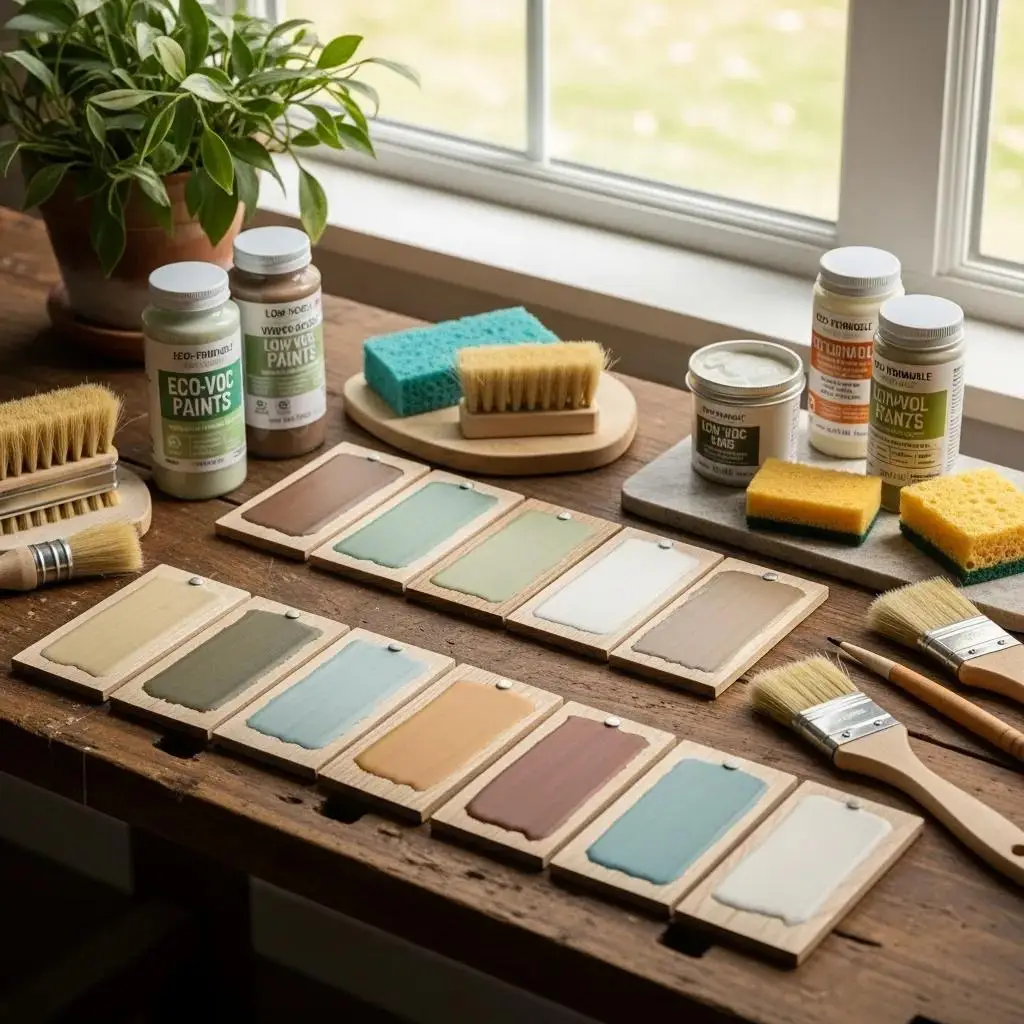
Low-maintenance and eco-friendly finishes are becoming increasingly popular among homeowners looking for sustainable options. These finishes not only reduce the environmental impact but also save time and effort in upkeep. Their benefits are supported by environmental health studies and industry certifications.
Health Benefits of Eco-Friendly Finishes
Eco-friendly finishes often contain fewer volatile organic compounds (VOCs), making them safer for indoor air quality. This is particularly important in kitchens, where food is prepared. Such finishes comply with standards set by organizations like GreenGuard and EPA.
Long-Term Cost Savings
While eco-friendly finishes may have a higher upfront cost, they can lead to savings over time due to reduced maintenance and replacement needs, as demonstrated in lifecycle cost analyses.
Sustainability Impact
Choosing eco-friendly finishes supports sustainable practices and reduces the carbon footprint associated with traditional finishes, aligning with global sustainability goals.
How Does Cabinet Construction Quality Impact Longevity and Value?
The construction quality of kitchen cabinets significantly affects their longevity and overall value. High-quality cabinets are built to withstand daily use and can enhance the resale value of a home, as confirmed by real estate and home improvement experts.
Importance of Quality Materials
Using high-quality materials in cabinet construction ensures durability and resistance to wear. Cabinets made from solid wood or high-grade plywood are more likely to last longer than those made from lower-quality materials, a fact supported by construction standards and consumer reports.
Impact on Resale Value
Investing in quality cabinets can increase a home's resale value, as potential buyers often prioritize well-constructed kitchens, according to real estate market analyses.
Durability Over Time
Well-constructed cabinets maintain their appearance and functionality over the years, making them a worthwhile investment for homeowners, as evidenced by long-term user reviews and expert evaluations.
What Are the Differences Between Plywood and MDF in Cabinet Boxes?
Plywood and MDF (medium-density fiberboard) are two common materials used for cabinet boxes, each with its own set of advantages and disadvantages, as documented in woodworking and cabinetry literature.
Durability and Moisture Resistance
- Plywood: Known for its strength and resistance to moisture, plywood is less likely to warp or swell in humid conditions, making it a preferred choice in professional cabinetry.
- MDF: While MDF is smooth and easy to paint, it is more susceptible to moisture damage and may not hold up as well in damp environments, a limitation noted in material performance studies.
Further research highlights specific construction techniques that can significantly enhance the durability of MDF cabinets.
Melamine-Coated MDF & Edge Banding for Durable Kitchen Cabinets
The ultimate strength of cabinets (in both control samples and after aging cycles) constructed of melamine-coated MDF with edge band was 1.8 times greater than that of cabinets made of uncoated MDF without edge band. Therefore, using edge banding and coated MDF in cabinet construction is strongly suggested, as this can improve the maximum load-bearing capacity and service life of cabinets.
Effect of laboratory-accelerated aging treatment on the ultimate strength of a 4-sided MDF kitchen cabinet, 2013
Cost Considerations
Plywood is generally more expensive than MDF, but its durability may justify the higher cost for many homeowners, as supported by cost-benefit analyses.
Weight and Handling
MDF is lighter than plywood, making it easier to handle during installation. However, its fragility can be a drawback in high-traffic areas, a factor considered by professional installers.
Why Are Dovetail Joints and Solid Wood Frames Important?
Dovetail joints and solid wood frames are critical components in high-quality cabinetry, contributing to both strength and aesthetic appeal, as emphasized by woodworking experts and cabinetry standards.
Strength and Durability of Dovetail Joints
Dovetail joints are known for their strength and resistance to pulling apart, making them ideal for drawer construction. This type of joint enhances the overall durability of cabinets and is a hallmark of craftsmanship.
Aesthetic Appeal of Solid Wood Frames
Solid wood frames provide a classic look and can be finished to match the cabinet's overall design. They also add structural integrity to the cabinetry, a feature valued in premium kitchen designs.
Long-Term Performance Benefits
Investing in cabinets with dovetail joints and solid wood frames ensures longevity and reduces the need for repairs or replacements over time, as confirmed by long-term durability studies.
How Can You Choose the Right Kitchen Cabinet Materials for Your Project?
Selecting the right materials for kitchen cabinets involves considering various factors, including budget, style, and durability, guided by expert advice and industry best practices.
Budget Considerations
Establishing a budget early in the planning process helps narrow down material options. Solid wood cabinets tend to be more expensive, while engineered wood offers more affordable alternatives, a distinction supported by market pricing data.
Style Preferences
The chosen materials should align with the overall design aesthetic of the kitchen. For instance, modern kitchens may benefit from sleek, painted finishes, while traditional spaces may call for rich wood tones, as recommended by interior design professionals.
Durability and Maintenance
Consider how much wear and tear the cabinets will experience. High-traffic kitchens may require more durable materials, while less-used spaces can accommodate softer woods, a consideration emphasized in durability assessments.
What Factors Should Influence Your Material and Finish Selection?
Several factors should guide the selection of materials and finishes for kitchen cabinets, ensuring a balance between aesthetics and functionality, as outlined by cabinetry experts and consumer guides.
Choosing the right materials for your kitchen cabinets involves considering various factors, including budget, style, and durability. This is where Seacoast Cabinet can help, providing expert consultation and quality craftsmanship.
Durability and Maintenance
Choose materials that can withstand daily use and are easy to maintain. This consideration is crucial for ensuring the longevity of the cabinetry, as supported by maintenance guidelines from industry professionals.
Aesthetic Preferences
Select finishes and materials that complement the overall kitchen design. Personal style should play a significant role in the decision-making process, as advised by design experts.
Budget Constraints
Be mindful of budget limitations when selecting materials. Prioritize essential features while exploring options that fit within financial constraints, a strategy recommended by financial planners and home improvement specialists.
How Do Budget, Style, and Durability Align in Material Choices?
Balancing budget, style, and durability is essential when selecting kitchen cabinet materials. Homeowners should consider how each factor influences the overall project, guided by expert insights and market trends.
Balancing Cost with Quality
Investing in quality materials can lead to long-term savings, as durable cabinets require less maintenance and replacement. However, it is essential to find a balance that fits within budget constraints, a principle supported by cost analysis studies.
Style Alignment with Materials
The chosen materials should reflect the desired kitchen style, whether modern, traditional, or eclectic. This alignment enhances the overall aesthetic and functionality of the space, as emphasized by design professionals.
Long-Term Value Considerations
Consider the long-term value of the selected materials. High-quality cabinets can increase a home's resale value, making them a worthwhile investment, as confirmed by real estate market data.
If you're interested in learning more about our company, visit our about us page.
Our design services can help you create the perfect kitchen.