
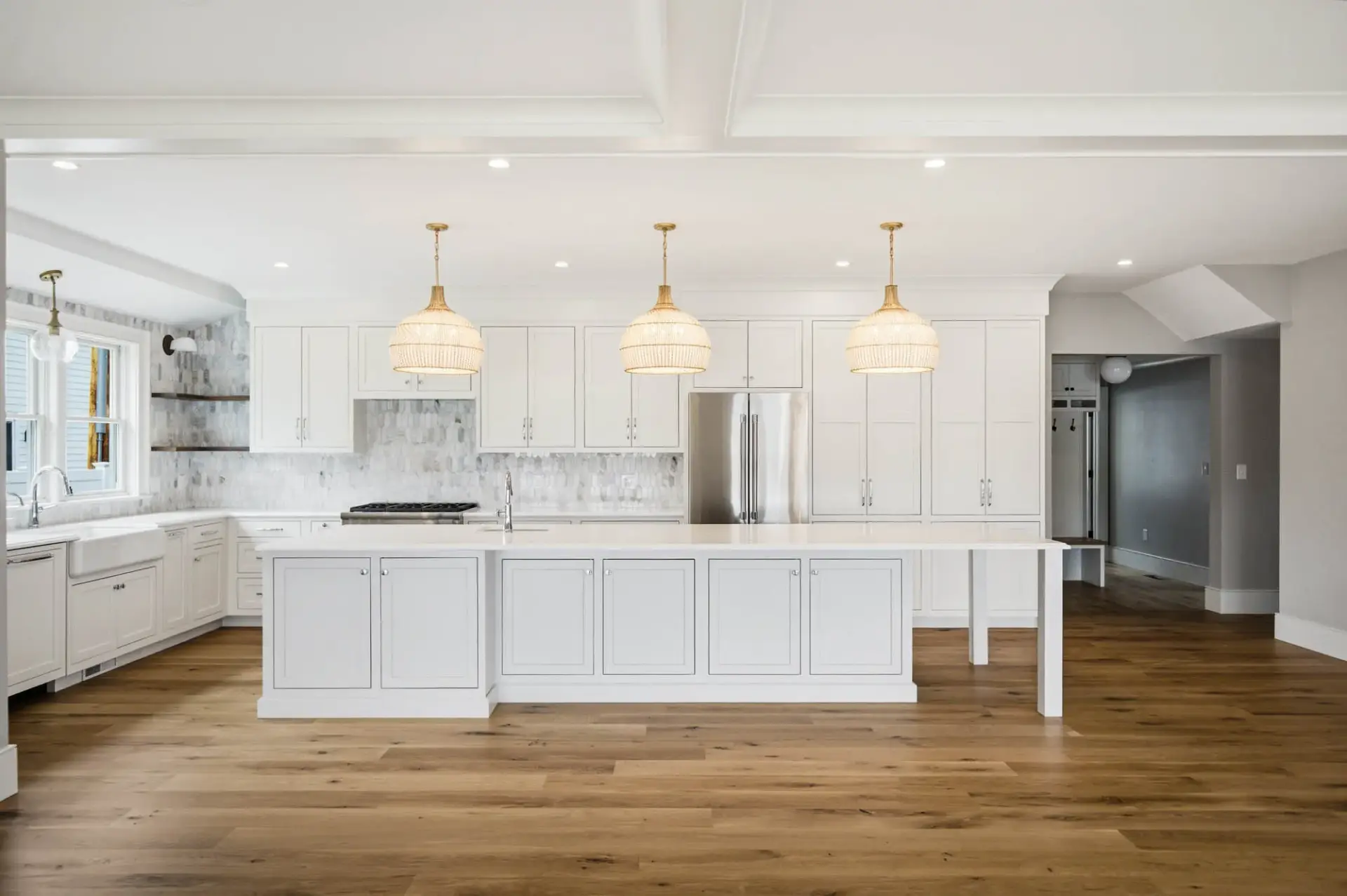
6 Steps to Budget for Kitchen Cabinets Before Your Showroom Visit
Walking into a showroom with a real number in mind saves you time and spares you the sticker shock later. Set your cabinet budget first, and your visit becomes about choosing what you love instead of guessing what you can afford. Here are six steps to get that number ready before you go.
Disclaimer: Pricing information stated throughout this article is based on typical industry averages and regional considerations as of the time of writing. Actual prices may vary depending on market conditions, supplier, customization, and other factors.
How much should you budget for kitchen cabinets? Most homeowners put about 30% to 40% of their total kitchen remodel budget toward cabinets. On a $50,000 remodel, that comes out to roughly $15,000 to $20,000 for cabinetry alone. Your final number depends on the cabinet line, your layout, and how much customizing you do. Our kitchen cabinet budget planner is a quick way to sketch your range before a visit.
Step 1: How much should you set aside for cabinets?
Cabinets are usually the single biggest line item in a kitchen project, so they anchor the whole budget. A common starting point is to give 30% to 40% of your overall kitchen spend to cabinetry, then build the rest of the plan around that.
Nationally, cabinet pricing tends to fall into three general tiers. Entry-level lines often run about $5,000 to $10,000. Mid-range lines land somewhere around $10,000 to $25,000. Premium cabinetry, with specialty finishes and more custom work, can run $25,000 and up. These are typical industry ranges, not Seacoast Cabinet's prices. During a design consultation, you get a written quote built around your actual kitchen, so your number reflects your space, not a national average.
Disclaimer: The above price ranges are estimates and should be used as a general guide. Actual prices can vary based on market trends and specific project details.
Step 2: What actually goes into the cost of cabinets?
Knowing where the money goes helps you spot where you can flex and where you should not. A cabinet budget usually breaks into three parts: materials, labor, and a cushion for surprises.
Typical cabinet cost breakdown on a $20,000 cabinet budget (industry averages)
| Cost component | Share of budget | Example on $20,000 |
|---|---|---|
| Materials (boxes, doors, finishes) | 50% to 70% | $10,000 to $14,000 |
| Labor (delivery and install) | 30% to 50% | $6,000 to $10,000 |
| Contingency (the just-in-case fund) | 10% to 20% | $2,000 to $4,000 |
The contingency line is the one people skip and later regret. Older homes on the North Shore often hide uneven walls, odd ceiling heights, or plumbing that has to move. A small cushion keeps one surprise from derailing the whole project.
Disclaimer: The cost distribution above reflects typical industry averages and is intended for budgeting purposes only. Actual costs can vary by project.
Step 3: How do North Shore costs differ from national averages?
Where you live changes the math. Material availability, local labor rates, and demand all push prices around, and the North Shore is no exception. Skilled installers stay busy here, which can affect timing and cost.
Climate matters too. Homes near the coast deal with more humidity, and that swing in moisture is hard on lower-grade cabinetry. Better-built boxes and quality finishes hold up far longer in this environment, which is part of why cheaper is not always the smarter buy. For a closer look at local figures, see our breakdown of North Shore kitchen remodel pricing.
Step 4: Which cabinet line fits your budget and your home?
Quality is where a budget either pays off or falls apart. Well-built cabinets cost more up front but ask less of you over the years in repairs and replacements. American-made cabinets are generally built to a higher standard than many imported options, with better joinery and materials that last. Our guide on American-made versus imported cabinets covers why that difference shows up over time.
Seacoast Cabinet carries three American-made lines, each at a different price and timeline. Mantra is the value-friendly, fastest option. Homecrest sits in the middle with wide customization. Omega is the premium, fully custom tier. Lead times and warranties differ by line and are stated up front in writing, so you know what you are committing to before you sign. You can compare the cabinet brands we carry or browse the full American-made cabinet lineup. See the FAQ below for the current lead times and warranty terms by line.
Step 5: Stock, semi-custom, or custom, and what saves money?
You do not have to go fully custom to get a kitchen you love. Stock cabinets come in set sizes and ship fast, which makes them the budget pick when your layout is straightforward. Semi-custom adds flexibility in sizing and finishes for a step up in price. Full custom is the answer when your kitchen has tricky dimensions or you want something built exactly to spec.
For most homeowners, semi-custom hits the sweet spot of choice and value. Our guide to stock, semi-custom, and custom cabinets walks through which one fits which kitchen, and our look at custom cabinets versus big box stores explains what you actually get for the price difference.
Step 6: How much does cabinet style affect the price?
Style is the budget lever people overlook. Simpler door styles use fewer materials and less labor, so they cost less. More detailed designs, glass inserts, and specialty finishes add up quickly. The same goes for hardware: upgraded knobs and pulls across a full kitchen can add a noticeable chunk to the total.
The good news is that a clean, classic look does not have to be expensive. A Shaker door, for example, suits almost any kitchen and keeps costs reasonable. Browse cabinet door styles to see how different looks line up with different budgets before you commit.
What should you bring to your showroom visit?
Once your number is set, a little prep makes the visit far more productive. Come with:
- Your total budget and the share you have set aside for cabinets
- Rough measurements of your kitchen, even a quick sketch helps
- Photos of the current space and a few looks you like
- A short list of must-haves versus nice-to-haves
- Your ideal timeline, since lead times vary by cabinet line
Frequently asked questions about kitchen cabinet budgets
What percentage of a kitchen remodel goes to cabinets?
Cabinets typically take up 30% to 40% of a total kitchen remodel budget, making them the largest single cost in most projects. Setting that share first gives you a realistic frame for the rest of the kitchen.
How much do kitchen cabinets cost on the North Shore?
Costs vary with the cabinet line, your layout, and how much customizing you do. National ranges run from about $5,000 for entry-level lines to $25,000 or more for premium custom work. Seacoast Cabinet provides a written, project-specific quote during your design consultation, so your number reflects your actual kitchen rather than a national average.
Disclaimer: Prices mentioned are representative estimates and are subject to change based on market conditions and project specifics.
How long do new kitchen cabinets take to arrive?
It depends on the line. Mantra typically arrives in about 2 to 4 weeks and ships fully assembled. Homecrest runs roughly 5 to 8 weeks. Omega, the premium custom line, takes about 9 to 12 weeks. Knowing your timeline early helps you plan the rest of the project around it.
What warranties come with the cabinets?
Warranty terms are stated in writing before you order. Omega and Homecrest carry a limited lifetime warranty. Mantra carries a 5-year limited warranty. We go over the specifics for your chosen line during the consultation.
Are American-made cabinets worth the extra cost?
For most homeowners, yes. American-made lines generally use better materials and joinery, which means they hold up longer, especially in a humid coastal climate. Spending a bit more up front often costs less over the life of the kitchen.
Should I really set aside a contingency fund?
Yes. A cushion of 10% to 20% covers the surprises that older North Shore homes tend to hide, like uneven walls or plumbing that has to move. It keeps one unexpected issue from blowing up the whole budget.
Explore Design Services and Book Your Showroom Visit
Ready to put a real number on your kitchen?
Bring your budget and your ideas to our Rowley showroom. We will walk you through the cabinet lines, give you project-ready specs, and put together a clear written quote built around your space.
Seacoast Cabinet, 300 Newburyport Turnpike, Rowley, MA 01969978-350-1040 Kitchen Cabinets Before Visiting a Showroom
Budgeting for kitchen cabinets is an essential step in the remodeling process, as it helps ensure that your project remains financially manageable. A well-planned budget not only defines how much you can afford to spend but also influences your choices in materials and designs. By following six critical steps, you can create a comprehensive kitchen cabinet budget that serves your needs without exceeding your financial limits. This guide aims to unfold these steps in detail, from setting realistic financial boundaries to understanding how cabinet styles impact prices. By the end of this article, you will be equipped to make informed decisions while visiting showrooms, ultimately streamlining your kitchen remodeling journey.
Set a Realistic Budget
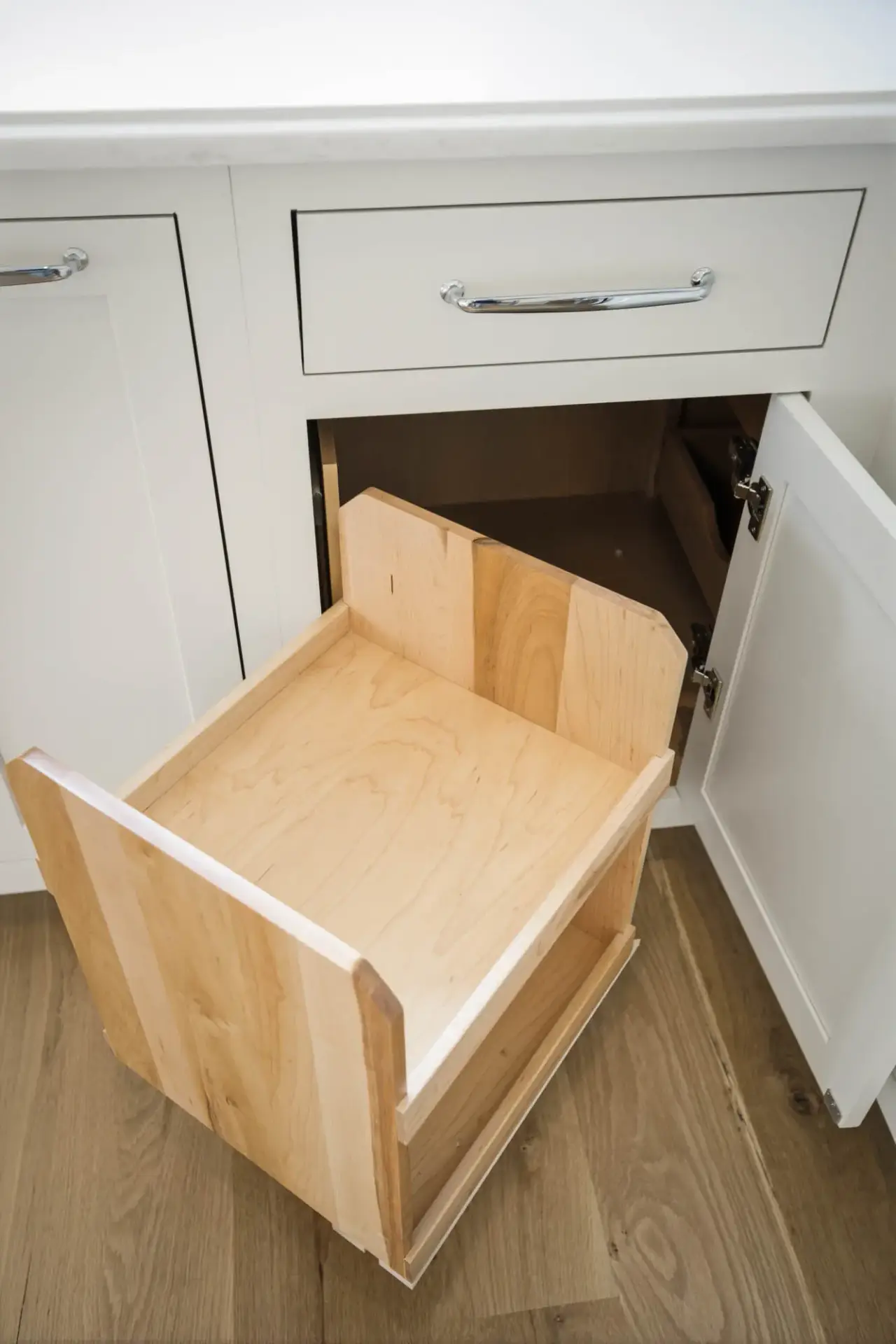
Establishing a realistic budget is the foundation of effective kitchen cabinet planning. It’s essential to allocate a fair percentage of your overall kitchen remodeling budget specifically for cabinets. A general rule of thumb is to devote approximately 30-40% of your remodeling budget to cabinetry. For instance, if your total kitchen expenditure is estimated at $50,000, this translates to a cabinet budget of $15,000 to $20,000.
Understanding the types of cabinetry available is also critical. There are three main categories: entry-level, mid-range, and premium options. Entry-level custom cabinets typically range from $5,000 to $10,000, while mid-range cabinets can cost between $10,000 and $25,000. Premium cabinetry, characterized by exclusive materials and complex designs, may exceed $25,000, sometimes reaching $50,000 or more. Prioritizing must-have features over optional ones will help keep your budget aligned with your practical needs.
Disclaimer: The price ranges mentioned here are estimates based on industry data and may vary by location and project specifics.
Estimate Costs and Key Components
To effectively manage your budget, it's crucial to break down the various components that contribute to kitchen cabinet costs. Material costs typically constitute 50-70% of your total cabinet budget. This includes the selection of materials such as wood, laminates, or engineered options, each with varying price points. Labor costs generally account for roughly 30-50% of the budget, depending on the complexity of installation and regional labor rates. Additionally, planning for a contingency fund of 10-20% for unexpected expenses is advisable.
Understanding these components helps prepare for the total costs involved in your project. Here is a table summarizing the cost breakdown:
| Cost Component | Percentage Allocation | Typical Dollars Spent for $20,000 Budget |
|---|---|---|
| Material Costs | 50-70% | $10,000 - $14,000 (+/-) |
| Labor Costs | 30-50% | $6,000 - $10,000 (+/-) |
| Contingency Fund | 10-20% | $2,000 - $4,000 (+/-) |
This understanding allows for better financial planning and more realistic expectations when approaching your kitchen cabinet budget.
Disclaimer: The distributions and dollar amounts listed are estimates for illustrative purposes only and individual results may vary.
Research Regional Factors
When budgeting for kitchen cabinets, regional factors play a significant role in determining costs. Local market conditions, including supply and demand, can greatly affect pricing. For instance, in the New England area, where Seacoast Cabinet operates, homeowners may face higher costs due to limited availability of certain materials or skilled labor.
Additionally, the local climate can impact the selection of cabinet materials. Regions with higher humidity may require more durable cabinetry options to prevent warping, thereby potentially increasing costs. Awareness of prevalent regional styles also helps in understanding price variations, as locally favored designs may have different cost structures.
Select Materials and Styles Wisely
The choice of materials and cabinet styles significantly affects both aesthetics and budget. Quality should be a priority when selecting cabinetry; choosing higher-quality materials can often save money in the long run due to lower maintenance costs. American-made cabinets are typically better constructed than imported ones, offering superior durability and longevity.
Budget-friendly options also exist within various styles. For example, popular lines, such as Mantra and Homecrest, provide good quality at a lower price point. We suggest exploring various cabinet styles that balance visual appeal and budget, ensuring that your choices align with both your needs and the overall design vision.
Explore Affordable Cabinetry Options
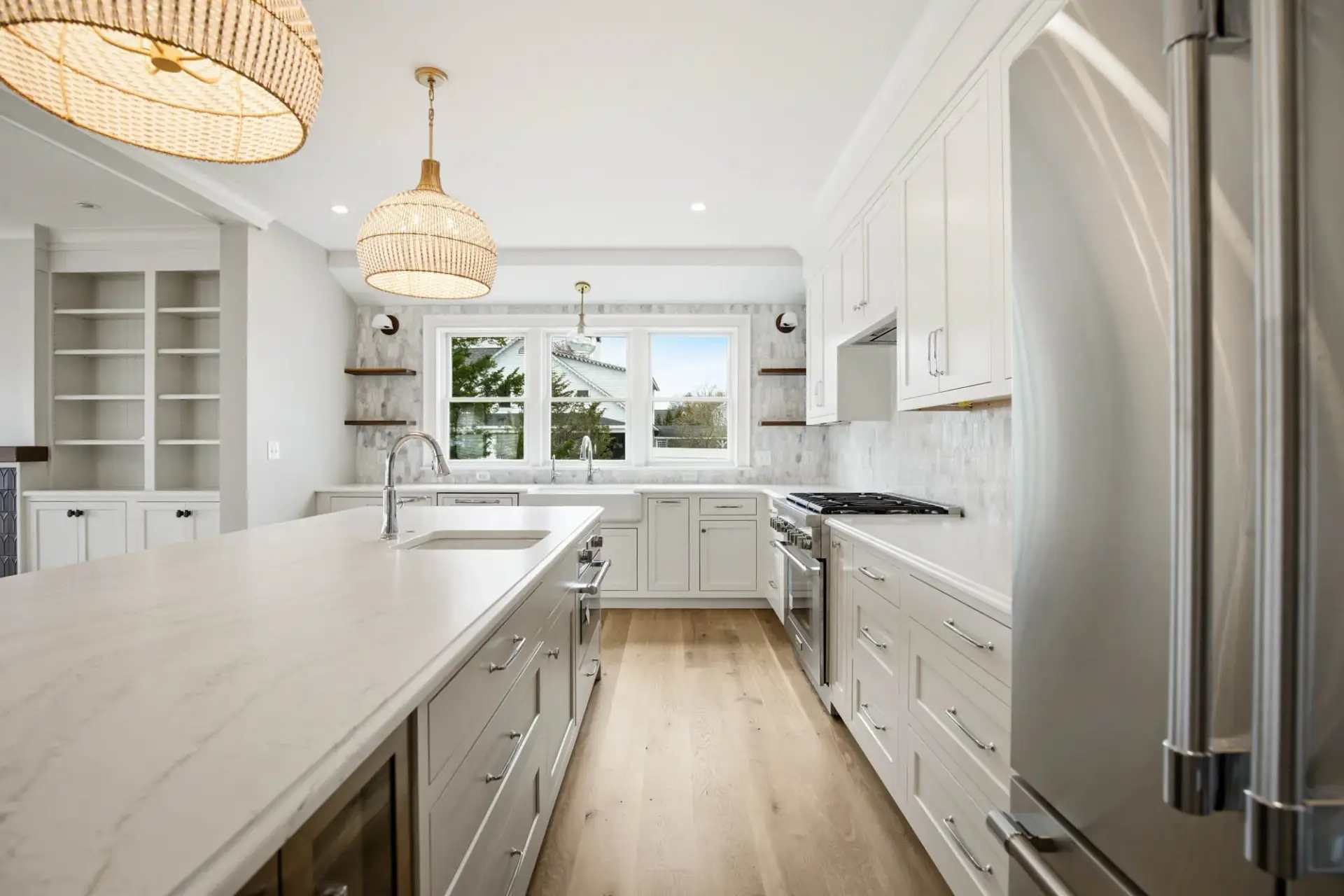
Finding smart budget options in cabinetry can optimize your spending without compromising style. Standard-sized and semi-custom designs typically present advantages over fully custom cabinets. Stock cabinets are generally more affordable and can be a quick option if you are on a tighter timeline. Semi-custom designs offer a blend of quality and flexibility, allowing for some personalization at a lower cost relative to custom solutions.
It’s important to review the costs of stock versus custom cabinets. Stock units may save you significantly, but for areas where customization is necessary—like specific kitchen dimensions or unique design features—semi-custom cabinets are a valuable alternative.
For those exploring options, Seacoast Cabinet specializes in providing a variety of cabinetry styles to fit any budget, ensuring that both aesthetics and functionality work in harmony without overspending.
Understand How Style Influences Pricing
Cabinet style is an often-overlooked element that can greatly influence your overall budget. Less intricate designs typically come with lower costs, as their production involves fewer materials and simpler assembly processes. Furthermore, the impact of hardware and finishes cannot be understated; upgrading to specialty knobs or pulls can add considerable expenses to your cabinet budget.
When determining which styles to prioritize, it is essential to balance your aesthetic desires with practicality. Simpler styles can achieve the desired look while keeping costs down. Engaging with a professional consultant can help navigate these decisions effectively, ensuring you stay within your budget while achieving a look that fulfills your vision.