
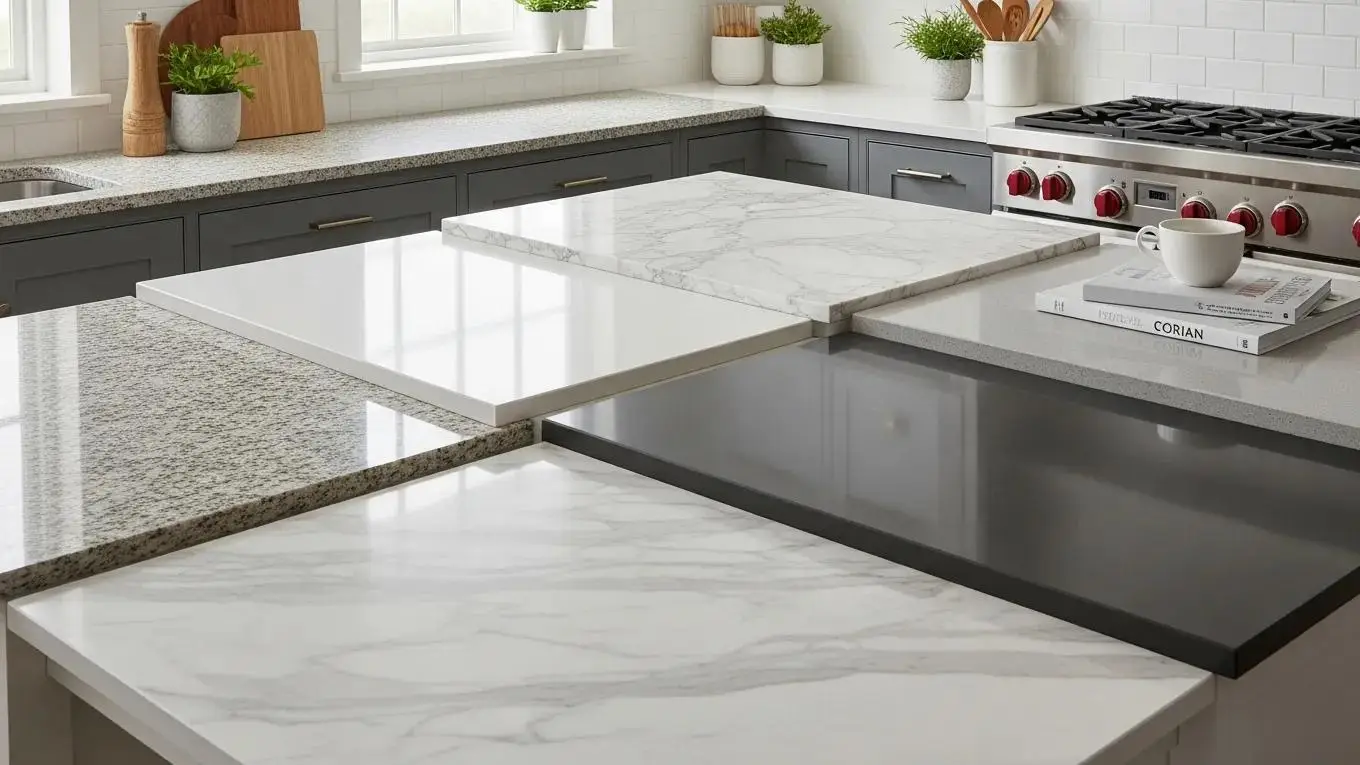
5 Countertop Surfaces Compared: Which Kitchen Countertop Material Is Best for Your Renovation?
Choosing Stone Countertops: Durability, Aesthetics, and Value
Buying a stone surface for your kitchen is a big decision. Countertops are not just decorative elements. They are one of the most used surfaces in any home. From cooking and meal preparation to cleaning and entertaining guests, the kitchen surface faces daily use. Because of this, homeowners should understand the materials and factors that influence long term performance before making a purchase.Many buyers begin their search by visiting large slab showrooms or regional suppliers. These spaces often operate like a countertop warehouse style showroom where hundreds of slabs can be compared in one place. Seeing full slabs helps homeowners understand color movement and natural patterns better than small samples. According to the National Kitchen and Bath Association, countertops are among the most influential features in a kitchen renovation because they affect both appearance and functionality.What to Know Before Buying Stone Surfaces for Your Kitchen, 2026
Granite
What Are the Key Differences Between Granite, Quartz, Marble, Laminate, and Solid Surface Countertops?
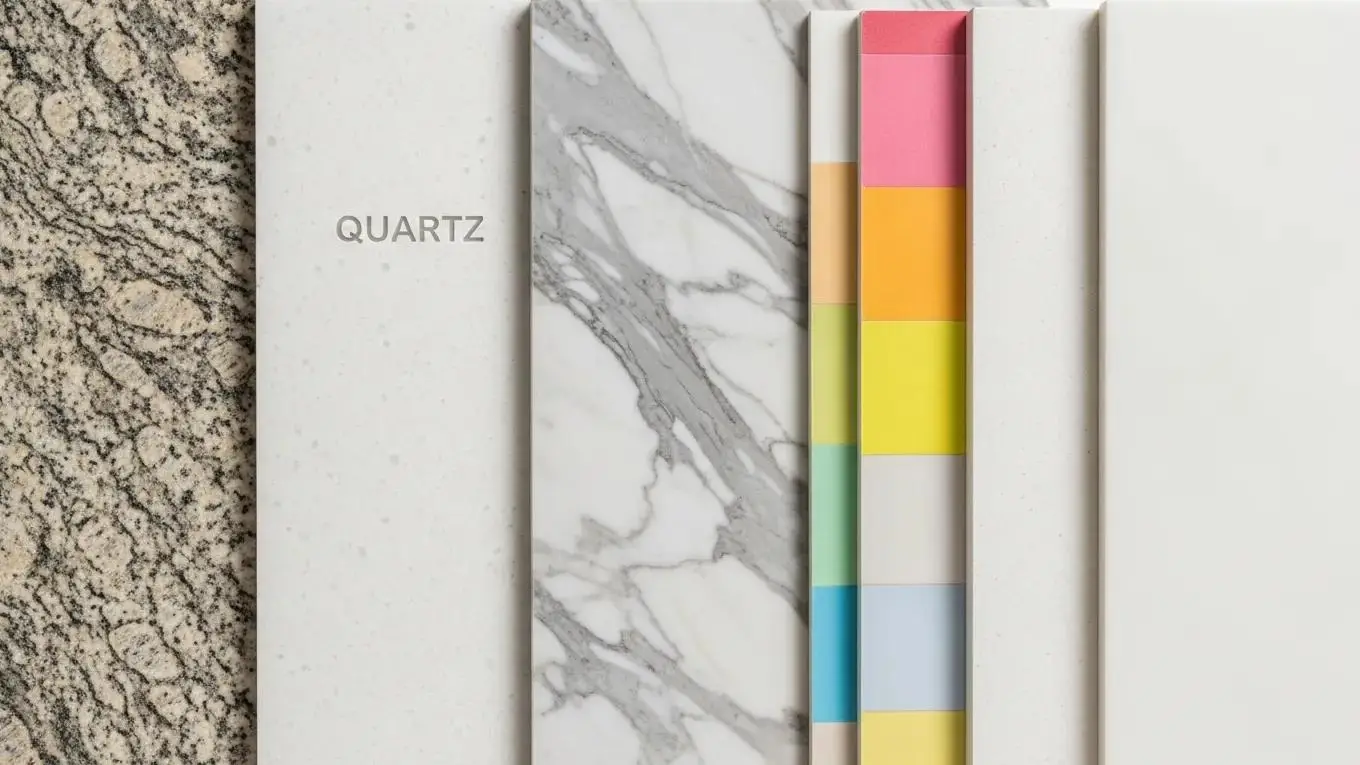
- Granite offers natural beauty and exceptional strength but requires periodic sealing.
- Quartz, often engineered, provides similar aesthetics with less maintenance.
- Marble has luxurious appeal but is more porous and requires careful upkeep.
- Laminate shines in affordability and variety, but may not hold up against heat.
- Solid surfaces like Corian combine seamless design with ease of repair and maintenance.
Quartz
How Do Durability and Maintenance Vary Among Popular Countertop Materials?
- Granite: Durable but requires sealing and careful cleaning.
- Quartz: Low maintenance, non-porous, no sealing required.
- Marble: Susceptible to scratches and requires regular sealing.
- Laminate: Affordable but lacks heat resistance and durability.
- Solid Surface: Easy maintenance and repairable but can be scratched.
Marble
What Are the Aesthetic and Design Benefits of Each Countertop Surface?
- Granite: Unique color patterns and natural appearance.
- Quartz: Uniformity with options for bright colors and patterns.
- Marble: Classic, sophisticated look with unique veining.
- Laminate: Extensive color choices and patterns at lower costs.
- Solid Surface: Seamless, customizable designs that fit tailored aesthetics.
Laminate
How Do Granite and Quartz Compare for Kitchen Countertops?
- Granite is praised for its natural look and durability but requires maintenance.
- Quartz offers design flexibility and low upkeep, ideal for busy lifestyles.
Solid Surface (e.g., Corian)
Which Countertop Materials Offer the Best Value: Cost and Long-Term Investment?
- Granite: Moderate cost with high durability, good long-term investment.
- Quartz: Higher initial cost, but low maintenance makes it a valuable choice.
- Marble: Investment in luxury, yet high maintenance can offset cost.
- Laminate: Low initial investment, but may require replacement sooner.
- Solid Surface: Reasonable cost with strong durability and repairability.
Summary
- Granite: Unique and durable but requires maintenance.
- Quartz: Low maintenance, versatile, and durable.
- Marble: Elegant but higher maintenance.
- Laminate: Cost-effective and varied designs; less durable.
- Solid Surface: Attractive and easy to maintain.
How Does Kitchen Countertop Cost Vary by Material and Installation?
| Material | Cost per Square Foot | Installation Cost |
|---|---|---|
| Granite | $40 - $100 | $50 - $150 |
| Quartz | $50 - $150 | $50 - $150 |
| Marble | $40 - $100 | $50 - $150 |
| Laminate | $20 - $50 | $30 - $100 |
| Solid Surface (Corian) | $40 - $100 | $50 - $150 |
What Are the Eco-Friendly Countertop Options Available Today?
- Recycled Glass Countertops: Made from post-consumer glass, combined with resin for durability.
- Bamboo: A rapidly growing resource, bamboo is sustainable and provides a natural aesthetic.
- Reclaimed Wood: Utilizes previously used wood, reducing deforestation while providing unique character.
- Concrete: Often made with industrial waste, concrete is robust yet customizable with various finishes.